
Fifth Year: Learning areas include Fiqh, Qurʾān, Ḥadīth, ʿAqīdah and History
Learning Area 1: Fiqh
Subject: Uṣūl al-Fiqh (Islamic legal theory)
Focus:(a) A study of the effects of different systems of legal theory on Islamic law
Focus:(b) The concept of the effects of different systems of legal theory on Islamic law
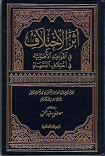
Textbook: Athar al-Ikhtilāf fī al-Qawā‘id al-Uṣūliyyah fī Ikhtilāf al-Fuqahā
Author: al-Khin, Muṣṭafā Sa‘īd (d. /)
 Objective:
After an in depth study of Shāfi‘ī Uṣūl in the third and fourth years,
the students are given the opportunity in the fifth year to explore the Uṣūl systems of
other madhāhib (schools of law). Other than exploring their principles, the work provides a
number of examples to espouse the theories and displays their effects in the formulation of the
madhāhib’s respective sets of law (fiqh).
Learning Area 1: Fiqh
Subject: Furūʿ al-Fiqh (Substantive Islamic law)
Focus: The substantive laws (furūʿ) specifically Trade and Contract Law
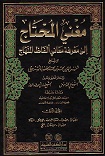
Textbook: Mughnī al-Muḥtāj ilā Maʿrifati Maʿānī Alfāẓ al-Minhāj
Author: al-Shirbīnī, Muḥammad al-Khaṭīb (d. H/G)
 Objective:
Content coming soon.
Learning Area 2: Quran
Subject: ʿUlūm al-Qurʾān (Sciences of the Qurʾān)
Focus: A study of the revelation, various modes, compilation and preservation of the Qurʾān.
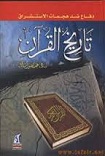
Textbook: Tārīkh al-Qurʾān
Author: al-Shāhīn, ʿAbd al-Ṣabūr
 Objective:
This contemporary work has been included to shed light on the historical development of the text of the Qur’ān.
It focuses on the historical development of the recording processes, the compilation, the text and the recitation
(incl. the various modes of recitation) of the Qur‘ān.
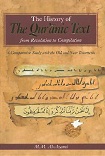
Textbook: History of the Qurʾānic Text from Revelation to Compilation,
A Comparative Study with the Old and New Testaments.
Author: al-Aʿẓamī, Muṣṭafā
 Objective:
This is one of the few English works in the syllabus and has been incorporated into the fifth year
as a complimentary reading to the Tārīkh al-Qurʾān. As the title suggests, this work focuses on a similar
subject matter to the Tārīkh al-Qurʾān, but from a different angle(as the title suggests). Together,
these works provide the students with a well-rounded understanding of the topic and equips them to
face any challenges in the form of objections to the veracity of Allah’s Kalām as we have it in the Muṣḥaf today.
Learning Area 2: Quran
Subject: Tafsīr
Focus: A study of the āyāt pertaining to law from various perspectives
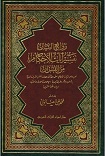
Textbook: Tafsīr Āyāt al-Aḥkām
Author: Ṣābūnī, Muḥammad ‘Ali
 Objective:
This contemporary exegetical work focuses on the legal aspects of the Qur‘ān.
This study progresses the students’ knowledge of exegesis and exposes them to the
methodologies employed by the various madhāhib, when dealing with the legal verses of the Qur‘ān.
Learning Area 3: Ḥadīth
Subject: ʿUlūm al-Ḥadīth (Ḥadīth Sciences)
Focus: The methodology of classical and contemporary Ḥadīth scholars in authenticating ḥadīth
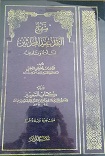
Textbook: Manhaj al-Naqd ʿinda al-Muḥaddithīn
Author: al-Aʿẓamī, Muṣṭafā
 Objective:
This work is an elaboration of the methodology of classical and contemporary scholars
when judging the reliability of ḥadīths or ḥadīth narrators. This work provides a deeper
understanding of this pragmatic science. It explores the culmination of the science’s
mechanisms and its nomenclature which has been acquired by the students over their four
years of ḥadīth study.
Learning Area 3: Ḥadīth
Subject: Applied Ḥadīth Methodology
Focus:
Textbook: ʿIlal literature compiled by Mln Yaʿqūb
Author: Mln Yaʿqūb
 Objective:
Content coming soon.
Learning Area 4: Aqīdah
Subject:
Focus:Content coming soon.
Textbook:
Author:
Objective:
Content coming soon.
Learning Area 5: History
Subject: History of the Shīʿah and Ahl al-Sunnah
Focus: An analytical study of contentious issues in history between the Shīʿah and Ahl al-Sunnah
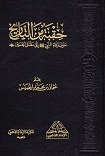
Textbook: Ḥiqbah min al-Tārīkh
Author: ʿUthmān ibn Muḥammad al-Khamīs
 Objective:
This work sheds light on a specific era in Islamic history that represents the focal point
of contention between the Ahl al-Sunna wa al-Jamāʿh and the Shīʿah. In recent years, they have
increased their attempts to encroach on traditionally "sunnī" societies by exploiting the lack
of knowledge of this historical period. The book’s target era is between the end of Prophet
hood till the martyrdom of the Prophet’s grandson Al-Ḥusayn and is divided into four main sections.
How should we read history, historical accounts of the contested events in the above mentioned era,
establishing the integrity of the Companions and the issue of leadership after the Messenger
sallā Llāhu ʿalayhi wa sallam are dealt with in this work.
Textbook: Nahj al-Salāma ilā Mabāḥith al-Imāmah
Author: Abī Athanā Maḥmūd bin Abdullāh al-Ālūsī
Objective:
The recent escalation by Shī‘ī academics in Sunnī societies and a shortage of competent scholars
to confront them, necessitated the addition of this work as part of the syllabus. This is a
comprehensive work which does not only show the Sunnī position, but also explores some of
the Shī‘ī views, thus exposing contradictions and any conceptual errors.
 Admission Requirements